Learn how to choose the best whale watching tour in Alaska for your cruise. A local guide to small group tours, timing, and Sitka wildlife.
From Ben
We run small wildlife boat tours from Crescent Harbor, six guests at a time, with a captain and a naturalist who know this coast. Whether you have a few hours in port, are traveling with kids, are staying a few days without a ship, or want a private week with your own boat and crew, we can plan it. Pack your sense of wonder.
You’ve booked your Alaska cruise.
Now you’re deciding which whale watching tour to take.
Search for the best whale watching tour Alaska cruise travelers recommend and you’ll see endless options. Cruise sponsored excursions. Viator listings. Google reviews. Vendors lined up at the dock.
Most promise whales.
They do not all deliver the same experience.
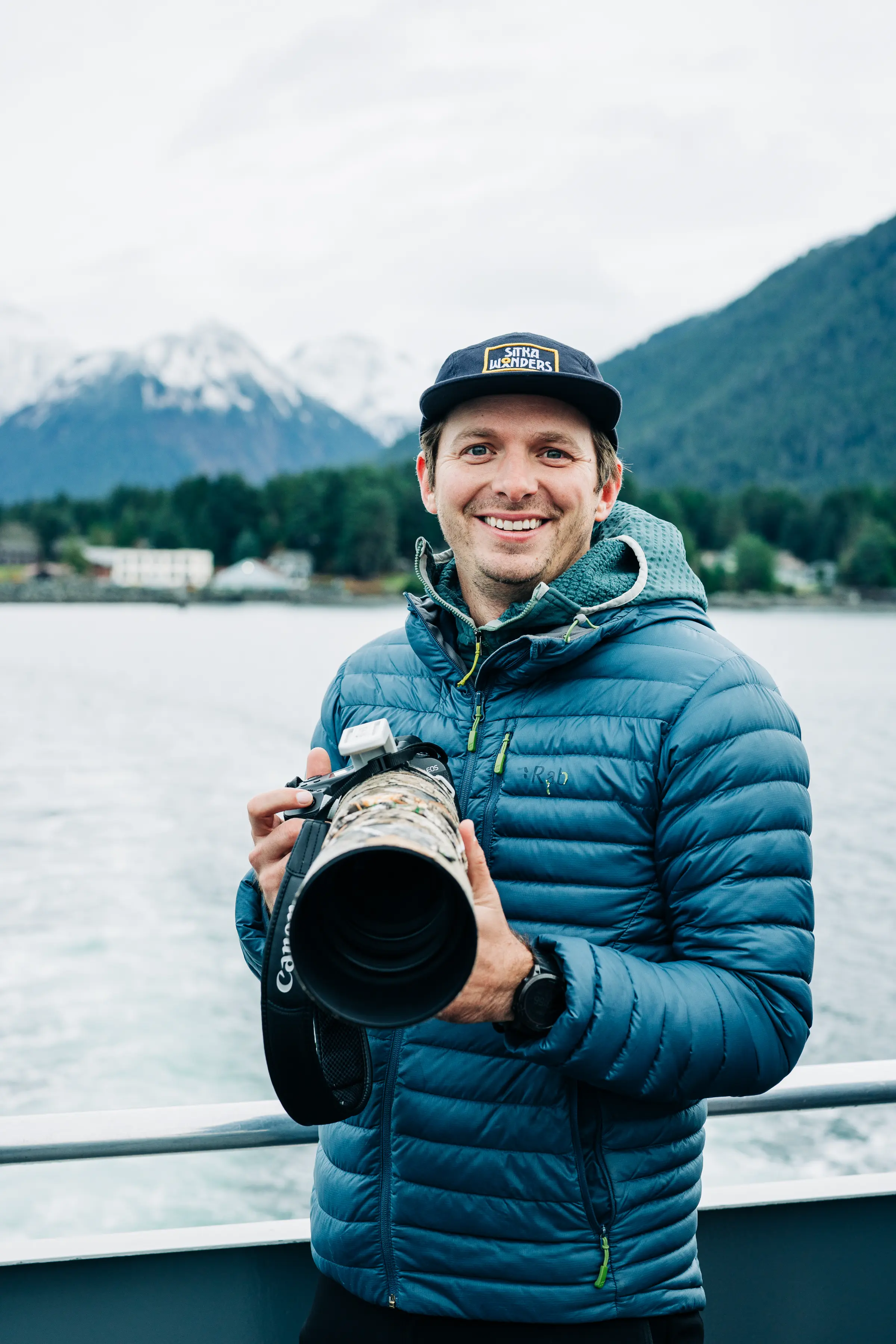
I first came to Southeast Alaska in 2008. Since then, I’ve returned season after season filming wildlife for organizations like National Geographic and the BBC. I’ve worked from nearly every type of vessel operating in these waters.
Today, I run my own tourism company in Sitka and guide small groups in the same feeding grounds I once filmed from.
After nearly two decades on the water here, this is my clear conclusion:
For most cruise visitors, the best whale watching tour in Alaska is a small group boat with six passengers or fewer, at least three hours on the water, booked directly with a local operator led by an experienced guide who adapts to wildlife behavior instead of following a fixed route.
Here is how to evaluate your options.
If you want the short version before diving deeper:
Now let’s break it down properly.
When comparing Alaska whale watching tours, the booking method influences pricing, transparency, and group size before you ever board a boat. There are four main ways that visitors book and in this section we'll break down the pros and cons of each.
Cruise sponsored whale watching shore excursion Alaska options are built for coordination and simplicity.
Tours are timed around ship departure and often include transportation. Booking through the cruise line removes the psychological stress of worrying about getting back late.
Everything is handled inside your cruise portal. Payment and cancellation follow cruise policies.
Cruises want to make the most money possible, so the tours they sell need to move as many passengers as possible. To move volume efficiently, these tours often operate on mid size or large vessels designed for capacity and rarely include smaller group experiences.
Cruise lines purchase seats wholesale and resell at retail. It is common for cruise sponsored whale watching tours to cost two to three times more than booking the same operator directly.
You are paying for convenience and coordination not to mention all the middle men.
Online platforms like Viator, Trip Advisor, Booking.com, and Get Your Guide dominate search results for Alaska whale watching tours. They offer some great advantages, but also have their limitations.
Centralized reviews and pricing make browsing simple on these marketplaces.
Platforms typically take 20 to 30 percent commission, which affects final pricing (often you are upcharged no the vendor).
Listings often look similar. It can be difficult to distinguish between a small group whale watching Alaska experience and a high capacity corporate vessel.
These platforms are useful for research. They rarely tell the whole story.
Booking direct means contacting the company running the vessel directly by phone or email or booking directly on their website. This offer some unique advantages and a few disadvantages, that we'll break down now.
You can confirm passenger count, boat size, duration, and guide experience directly.
Often you get to speak directly with the captain to get a better understanding of their approach, dimenaor, and passion.
Without cruise markup or marketplace commission, pricing is usually lower.
You confirm your tour aligns with your ship schedule. In ports like Sitka, experienced operators plan departures carefully around cruise arrivals so this is not a big issue, but is always something you should check.
Some travelers don't preplan and just want to walk off the boat and book their local whale watching experinece on that day. I don't suggest this, but want to breakdown the pros and cons so you understand what you are getting into if you take this approach.
You can speak directly with vendors and decide based on weather or mood.
On busy days, small group and private tours often sell out before ships arrive.
Stepping off the ship into a line of vendors offering similar whale watching shore excursions can feel intense. When everything looks similar, price becomes the default comparison.
There is more to this decision than cost.
For the best overall booking experience I suggest that you use google and marketplaces to research as the first step. Then contact operators directly to book. If clarity, smaller groups, and value matter, booking direct is often the strongest choice and results in the best experience at the best price.
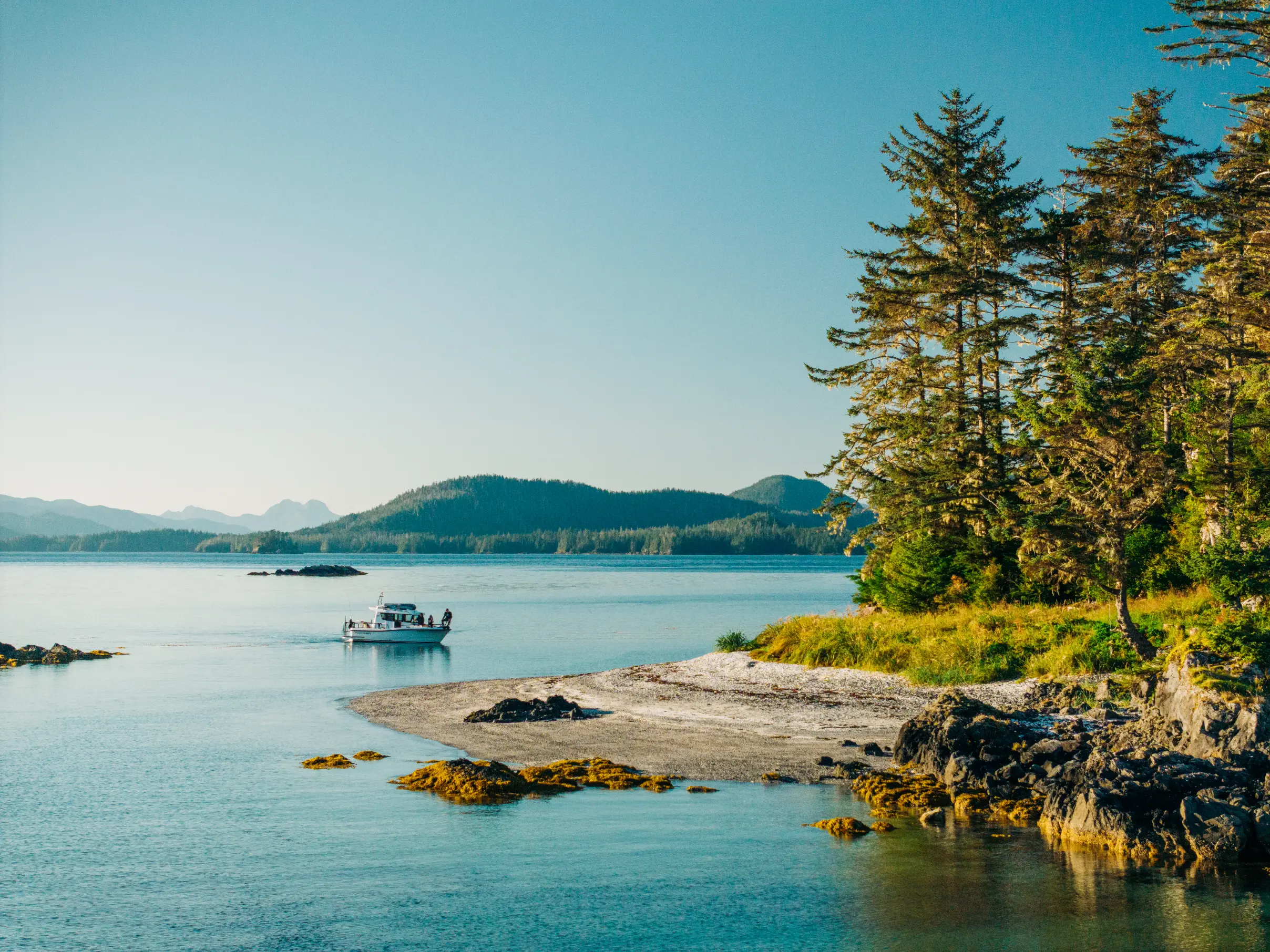
After deciding how to book, the next question is capacity. Boat size shapes atmosphere, flexibility, and interaction more than most travelers expect.
Often owner operated and central to small group whale watching Alaska experiences.
You speak naturally with your captain without amplification.
Smaller vessels pivot quickly when whales change direction and can access shallower areas larger boats avoid.
Many six passenger boats are run by captains with years of local experience. Owner operators build their livelihood on reputation and return guests, not volume.
Cabin space is smaller, and motion may feel more noticeable in swell. Most still offer heated enclosed cabins.
Mid size boats balance comfort and capacity.
Larger heated cabins and stable platforms.
Guides often use PA systems, reducing one on one conversation.
Multiple daily departures can create efficiency but reduce flexibility.
Common for cruise aligned Alaska whale watching cruise excursion bookings.
High capacity keeps pricing accessible.
Easier boarding and more space for large groups or mobility needs.
Engine noise, amplified narration, and crowded viewing rails reduce intimacy.
If immersion and conversation matter most, choose six passengers or fewer. If budget, accessibility, or large group logistics matter more, mid size and large vessels can be practical and reliable choices.
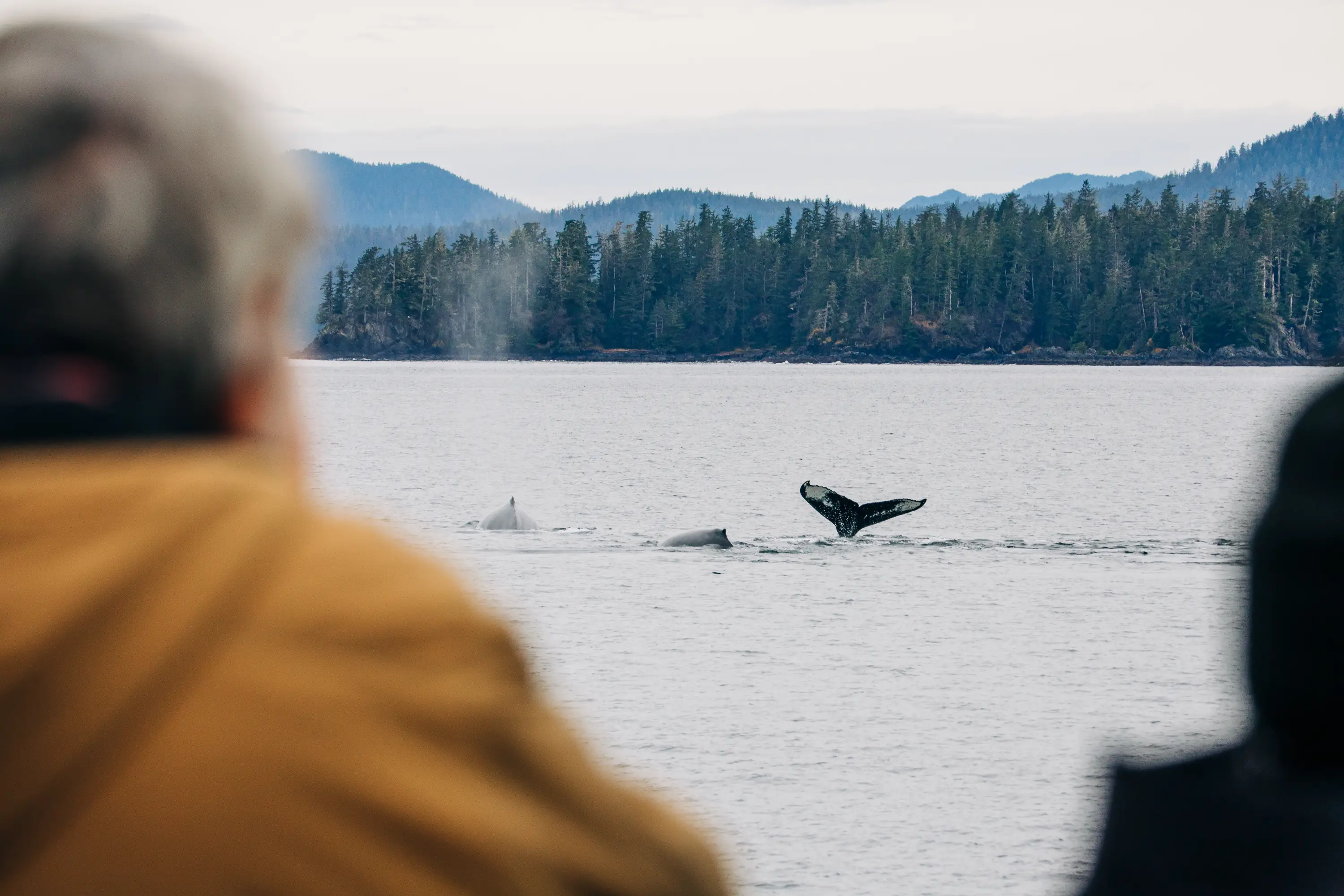
Tour duration directly affects wildlife opportunity.
As competition increases in busy ports, many operators now run shorter tours to maximize daily departures. Ten years ago, one hour whale watching tours were rare. Today they are common.
Shorter tours increase revenue. They reduce wildlife margin.
Works well in tight cruise windows.
On a 90 minute tour, once you factor in dock departure, safety briefing, and transit, you may only have 45 to 60 minutes of actual wildlife time.
Short windows create pressure to deliver quickly.
Enough time for meaningful wildlife opportunity.
Some ability to reposition if whales shift feeding zones.
Time to follow feeding behavior and adapt.
The pace becomes observational rather than rushed.
In some ports, tours run 45 to 60 minutes before reaching productive water.
In Sitka, feeding grounds are often minutes from harbor. That means more wildlife viewing within the same listed tour length.
If whales are your priority, avoid the shortest format. Two to three hours works well. Three hours or more gives the ecosystem time to unfold naturally.
Boat size and duration matter.
But the single biggest factor shaping your experience on any whale watching tour in Alaska is the person at the helm.
Two boats can follow the same whale. The guide determines whether you simply watch it or understand what you are seeing.
Some operators primarily function as boat drivers. They position near wildlife and move on when activity slows.
Other guides bring formal training or deep ecological knowledge. They explain feeding strategies, tidal influence, and ecosystem relationships.
Some crews are hired for the summer and trained quickly.
Captains who have spent years in the same habitat recognize subtle cues before whales surface.
Heavy focus on guarantees or pricing battles can signal insecurity.
Ask what excites them most about their waters. Ask how they handle slow wildlife days.
Call the operator. Talk to them. A boat gets you near wildlife. A great guide connects you to it.
After nearly two decades on these waters, I can tell you something simple.
The same day can feel magical to one group and disappointing to another.
The difference is rarely the wildlife.
It’s mindset.
Expectations can ruin a wild experience.
I’ve guided days where bubble net feeding happened within twenty yards of the boat and someone was disappointed because an orca did not appear. I’ve also guided quiet, misty mornings with one slow feeding whale that left guests speechless because they were open to it.
Alaska is not a stage show.
No ethical operator guarantees a performance. The ecosystem shifts daily. Some days are explosive. Some are subtle. Both are real.
If you board hoping to check boxes, you’ll miss what is actually happening in front of you.
You only see what you look for.
Scan the horizon. Watch bird movement. Notice tide lines. Ask your guide why whales are feeding where they are.
Curiosity turns a whale sighting into understanding.
Engage your senses fully.
Listen to the exhale of a humpback before you see it. Feel the wind shift. Notice how quiet it gets when engines go to idle.
You may never stand this close to wild whales again.
And if you are not a serious photographer, put the phone down. The memory you feel will last longer than the video you scroll past next month.
It will likely rain at some point.
This is a temperate rainforest. Rain is not an interruption. It is the reason this ecosystem thrives. Whales feed in it. Birds fly through it.
Bring a waterproof layer. Embrace the weather.
Some of the most atmospheric days on the water happen in mist and low clouds.
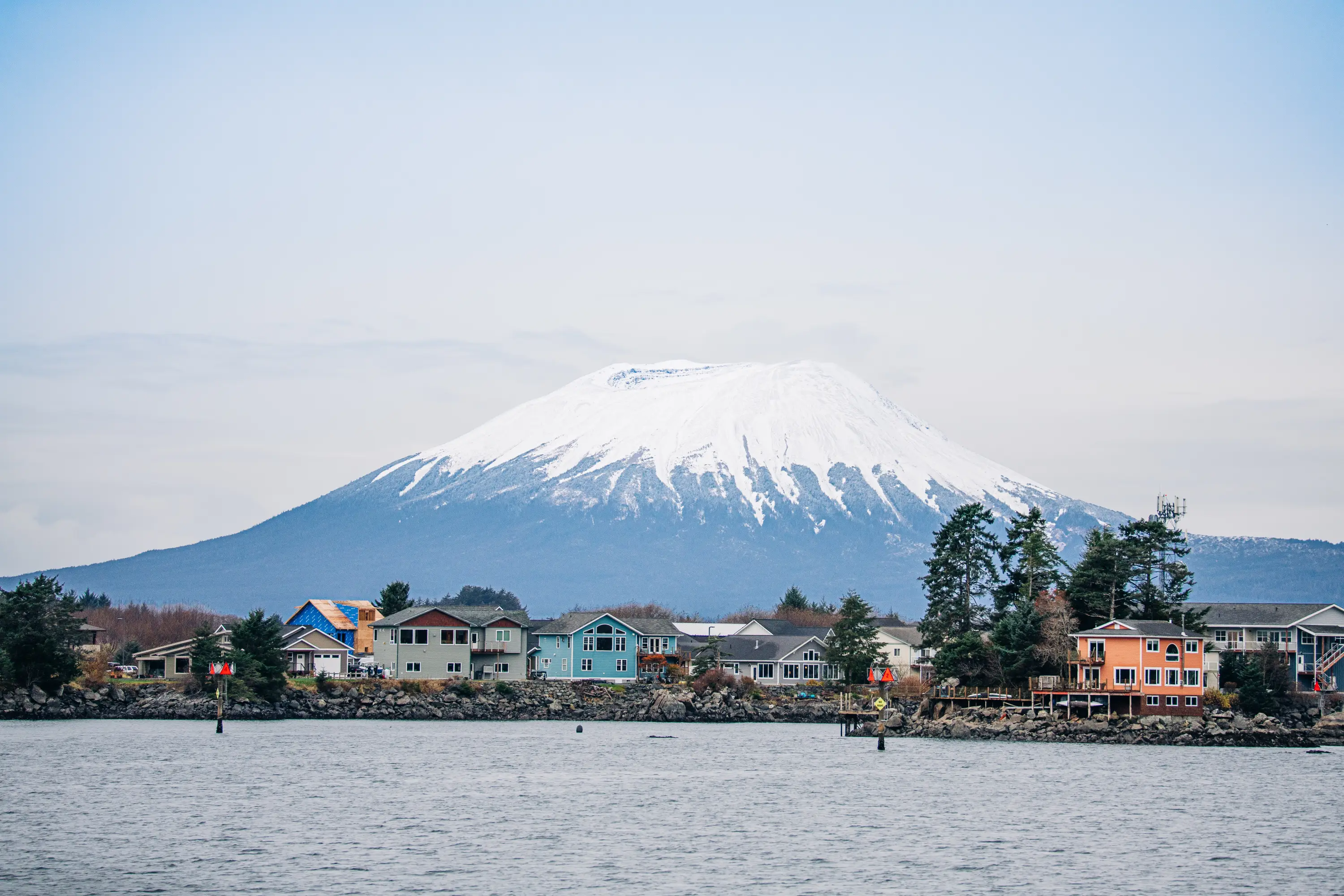
If you are comparing Sitka whale watching tours to ports like Juneau or Icy Strait, geography is the key difference.
Sitka sits on the outer coast of Southeast Alaska, exposed directly to the open Gulf of Alaska.
After nearly two decades working across Southeast Alaska’s cruise ports, from inner fjords to outer coast passages, I believe Sitka offers the most dynamic and wildlife rich whale watching environment in the region.
Each spring, Sitka Sound becomes one of the largest Pacific herring spawning grounds in Alaska.
When herring return, the ecosystem responds. Sea lions gather. Eagles line the shore. Humpbacks, many arriving from Hawaii and Mexico after months of fasting, feed intensely on these first large food sources of the year.
Bubble net feeding becomes more common during dense herring events.
Gray whales move through Sitka’s nearshore waters during herring spawn.
They floss kelp through their baleen to capture herring eggs and dredge soft mud to filter eggs and tiny fish.
From late May through August, Sitka experiences nearly 18 hours of daylight.
Humpbacks feed throughout the sound. Sea otters raise pups in kelp beds. At St. Lazaria Island, more than half a million seabirds crowd the cliffs during nesting season.
It is common to see whales offshore, otters in kelp, and seabirds overhead during a single tour.
As salmon fill local streams, brown bears move into river mouths and tidal flats to feed. Bald eagles gather along spawning rivers. Humpbacks continue feeding offshore through September.
There is no single bad time to visit Sitka for whale watching.
Sitka’s outer coast creates scale and diversity. You are not just watching whales. You are entering a dynamic marine ecosystem.
How many passengers are onboard?
How much of the tour is actual wildlife viewing time?
Who is your guide and what is their background?
Can it be booked private?
What is the best time for whale watching in Alaska during your visit?
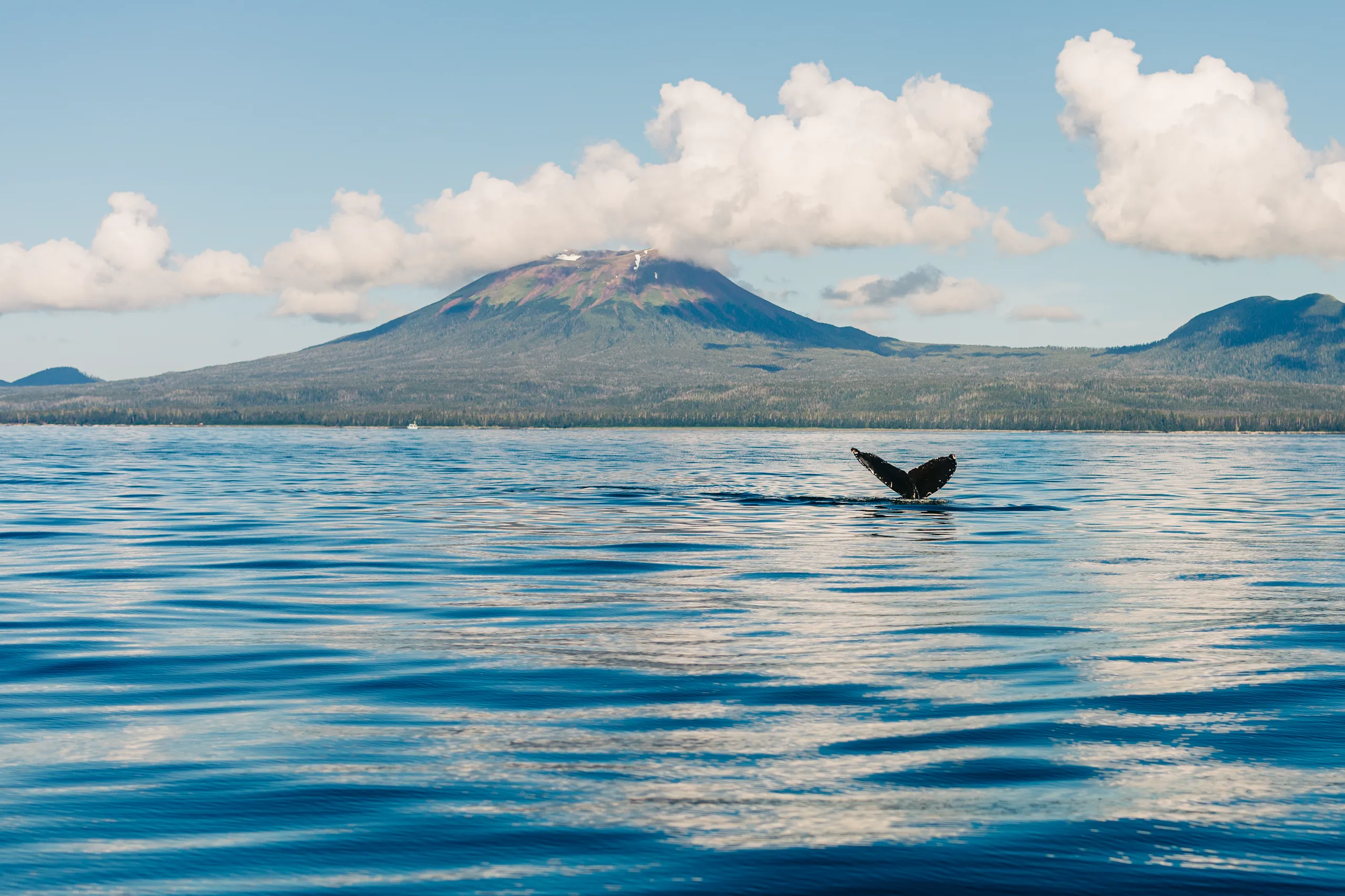
If you have read this far, you are likely not looking for the cheapest option. You are looking for the right one.
We operate intentionally small, naturalist led Sitka whale watching tours built around time on the water, adaptive routing, and real ecological depth.
During peak summer cruise days, our six passenger tours often book in advance.
Group Size: Max 6 guests
Price: From $300 per person
Our signature half day experience. With more time on the water, we can expand into broader habitat and often include a remote shoreline landing depending on conditions.
Click here to learn more and book.
Group Size: Max 6 guests
Price: From $200 per person | Private charter available
Designed for cruise visitors who want meaningful wildlife time within a shorter window. We focus on humpbacks, sea lions, sea otters, and seabirds while adapting route and pace to tides and feeding behavior.
Click here to learn more and book.
Group Size: Up to 6 guests
Price: From $2,400 per group
A fully customized day built around wildlife conditions and your interests. Ideal for photographers, families, or travelers who want the most immersive single day experience possible.
Click here to learn more and book.
Across all formats, the through line is the same: small groups, experienced naturalists, strong time on the water, and a perspective that connects you to the broader ecosystem.
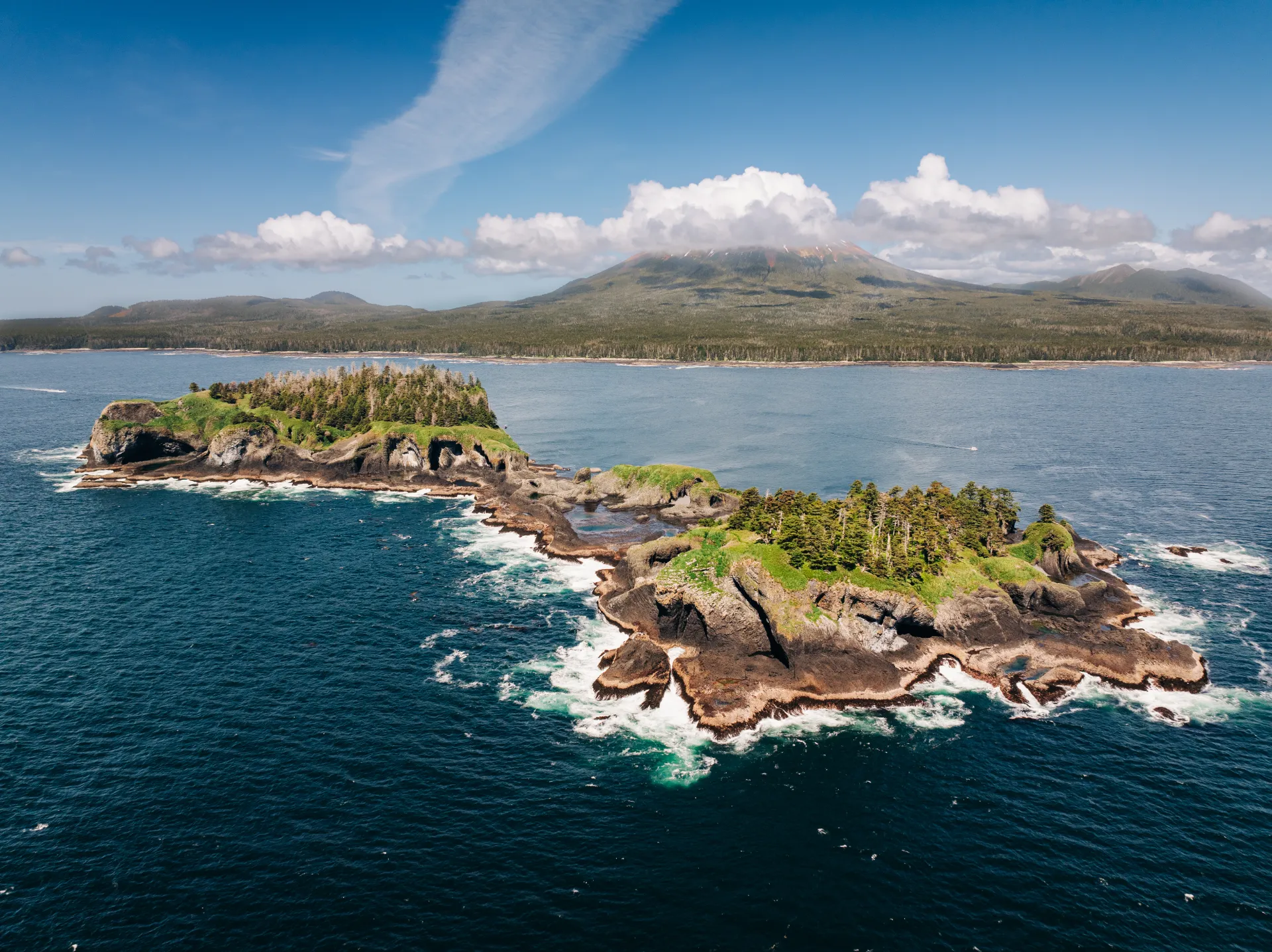
There is no single best whale watching tour in Alaska.
There is only the tour that aligns with your priorities.
The difference between a good Alaska whale watching tour and an unforgettable one is rarely luck. It is structure.
Choose a tour that values time on the water. Choose a guide who cares deeply about place. Choose a format that matches how you want to experience Alaska.
Then step aboard with curiosity.
That is what the best whale watching tour in Alaska should leave you with.
Keep Reading
More stories from the coast, curated for travelers planning a meaningful Sitka experience.